Paul Jobson
Baylor University Women’s Head Coach; United States Soccer Federation “A” Licensed Coach:
2018 Big XII Conference Champions
2018 NISOA-NSCAA Intercollegiate National Merit Award
2018 United Soccer Coaches Midwest Regional Staff of the Year
Back-to-back NCAA Elite Eight appearances (2017, 2018)
2x Big XII Conference Championships (2012, 2017)
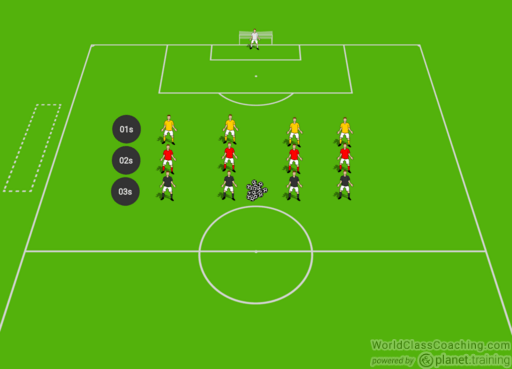
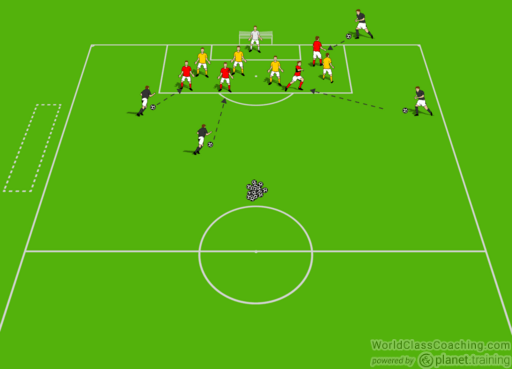
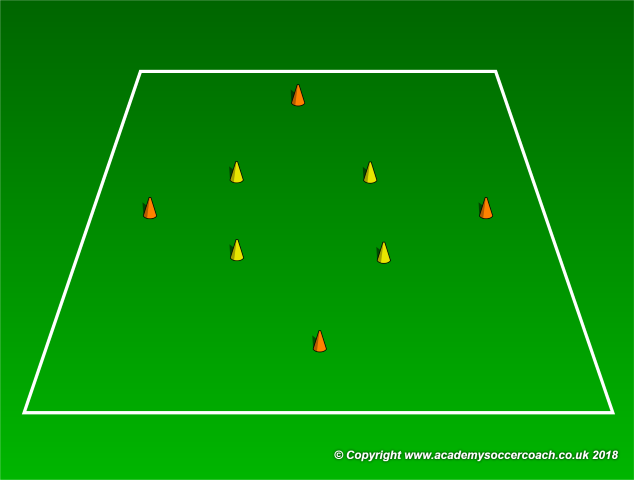
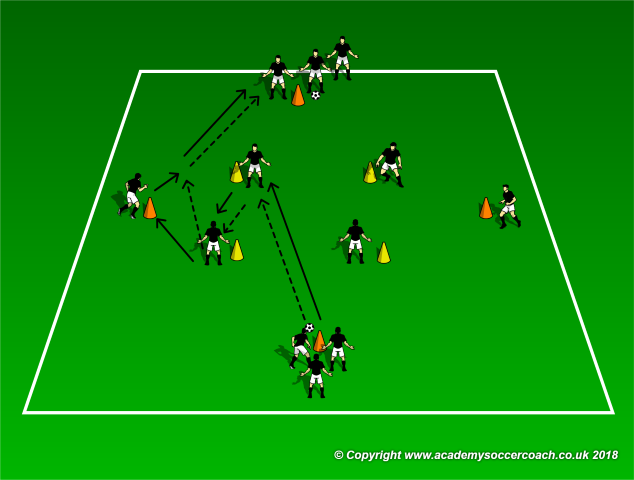
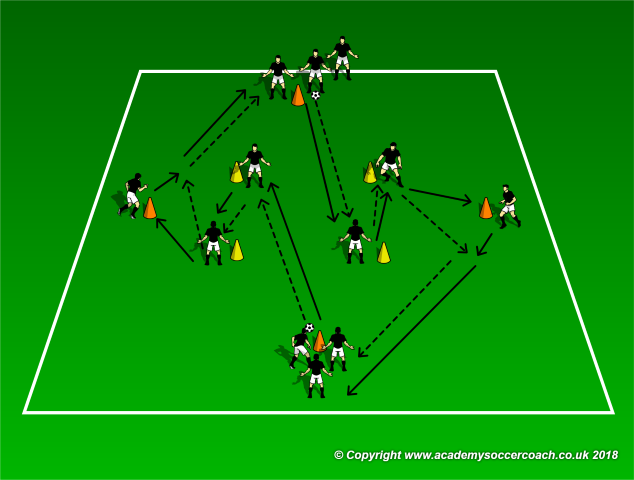
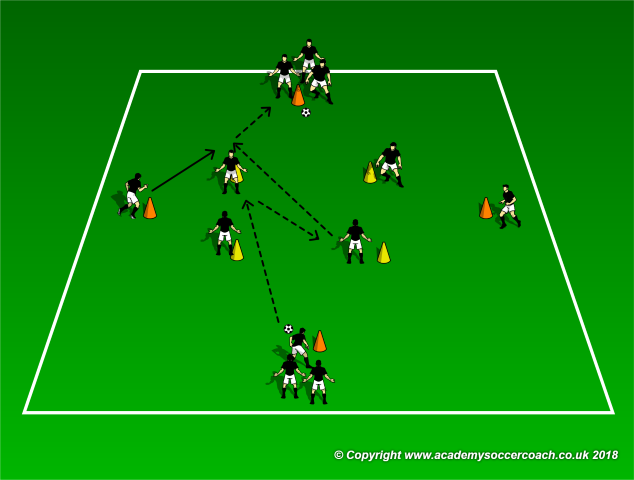
In this video, Paul Jobson demonstrates how he teaches attacking and how your sessions can be effective with any size group at practice. Throughout the video, Coach Jobson shows four different concepts that will help your team not only attack, but also transition quickly and react accordingly to where they are on the field. Jobson provides in-depth illustrations on the field to show different ideas on how to attack with low numbers and to transition quickly on both sides of the ball.
We are providing this drill to give you ideas on how to enhance your current practice drills. The idea is not to implement it exactly as is, but rather to tweak it to make it fit your system.
There is sound with the video, so please make sure that your sound is on.
This is a YouTube video, so you will need to be on a network that does not block YouTube videos.
For more information about Training with Low Numbers – Attacking, click here: Training with Low Numbers – Attacking – Soccer — Championship Productions, Inc.